
"coffee processing Nepal"
400 article(s) found
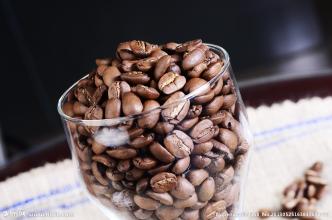
Introduction to the varieties of grinding scale in the production area of Nicaraguan coffee beans with mild taste
Nicaragua is one of the major coffee-producing countries, producing high-quality coffee. Even coffee from the Antigua Mountains of Guatemala, which is famous in Asia, imports raw beans from Nicaragua. Although Nicaraguan coffee is not famous in Asia, Nicaragua coffee is already famous all over the world (Starbucks has many cooperative coffee farmers in Nepal), while several coffee-producing countries in Central America

Where did cat shit coffee beans come from? Why is Kopi Luwak so expensive?
For information, please follow the coffee workshop (Wechat official account cafe_style) Kopi Luwak Coffee, also known as Kopi Luwak, it is made by the civet who eats the coffee fruit and discharges the coffee beans intact, people extract the coffee beans from its feces and process them. This coffee is produced in Indonesia and is currently one of the most expensive coffee in the world, per pound.

Civet Coffee Flavor Description Roast Degree Region Features Fine Coffee Bean Introduction
Kopi Luwak (Indonesian for coffee), Luwak is Indonesian for a wild arboreal animal commonly known as the civet. Cat poop coffee, Indonesia, one of the world's most expensive coffee. Indonesia grows a lot of coffee, and there is a wild animal called the civet, an omnivore with a pointed mouth and dark gray fur. My favorite food is

What does cat shit coffee bean mean? cat shit coffee bean introduction
Kopi Luwak is made in Indonesia. In the early 18th century, the Dutch established coffee plantations in the Indonesian colonies of Sumatra and Java, and banned locals from picking and eating their own coffee fruits. Indonesian locals inadvertently found that civets love to eat these coffee fruits and will drain the beans intact when defecating. The civet can only pick the most familiar.
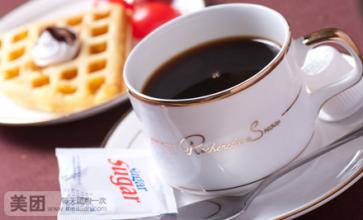
Description of Flavor of Coffee beans introduction to Grinding scale of Manor varieties in producing areas
Kopi Luwak is produced by the feces of Indonesian coconut cats (a kind of civet) as raw materials, so it is called Kopi Luwak. This kind of animal mainly feeds on coffee beans. After completing fermentation in the coconut cat's stomach, it destroys proteins, produces short peptides and more free amino acids, reduces the bitterness of coffee, and then excretes feces as the main raw material. Because coffee beans cannot be digested, they will be excreted.
Sweet taste Indonesian civet coffee flavor taste manor boutique coffee beans introduction
The cat has a special ability of orientation, which is guided by the incense secreted by the cystic incense glands. When it is active, all the prominent objects along the way, such as tree trunks, stakes and stone edges in the habitat, will often be foamed with the secretion of incense glands, commonly known as wiping piles, which acts as a marker in the field. it also plays a liaison role for other similar species. When it gets food or encounters

Introduction of Indonesian Fine Coffee Muscat Coffee Bean Kopi Luwak Flavor taste Manor
Coconut cats are omnivores. In addition to eating seeds, they also eat insects, snakes, birds, amphibians and reptiles, so the feces discharged by really wild coconut cats will be mixed with all kinds of substances. Local farmers in Indonesia catch coconut cats to raise them and feed coffee beans to make them. But after all, there are some differences between artificial cultivation and natural ones. Civet coffee

Nicaraguan Coffee planting History Ancient Tree Nicaraguan Coffee Bean producing area Flavor characteristics and taste
History Nicaragua began to grow coffee in the late 1800s, but it was not until the mid-19th century that the crop became an important export: increased global demand (especially from North America) and reduced supply from the Pacific islands led to the steady development of the coffee market here, around this period, the first large plantations appeared in Managua, throughout Jinotepe.

What's the difference between Yunnan cat shit coffee beans and Indonesian musk cat coffee beans?
Communication of professional baristas Please pay attention to the characteristics of Vietnamese Coffee in Coffee Workshop (Wechat official account cafe_style) No matter what kind of Vietnamese coffee it is, it has a toughness different from Eurasian bourgeois coffee culture, and this toughness comes from its constant mixed race. Since the beginning with France, Vietnamese coffee has continued to mix, even now.

Why is Kopi Luwak so expensive? Kopi Luwak source
Follow the comments (Wechat official account vdailycom) and found that Beautiful Cafe opened a small shop of its own. Why is Kopi Luwak so expensive? The most expensive coffee in the world also comes from Indonesia. It is an extremely rare coffee, producing only 500 pounds a year, many times more expensive than Blue Mountain Coffee. A 4 oz Kopi Luwak can sell for $168 (about 1400 yuan)!
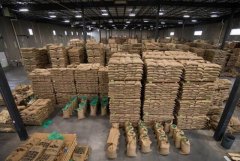
Standard for export of raw coffee beans Indonesia Panama Papua Rwanda Tanzania Uganda
Professional barista exchanges please follow the coffee workshop (Wechat official account cafe_style) generally speaking, Central America is 69kg, Colombia and Bolivia 70kg, the rest of the world is 60kg. Industry standards are a wonderful thing. In fact, if you look at the uneven standards of various countries, you can know that the coffee industry has not yet developed into a mature enough in the process of global trade.

Honey treatment | what is the flavor of Sumatra Manning-Glinchi Kerinci coffee beans? How to rush
Professional coffee knowledge exchange more coffee bean information please follow the coffee workshop (Wechat official account cafe_style) honey treatment | Sumatra Manning-Glinchi Kerinci coffee bean flavor? How to cook Glinchi? Kerinci honey is provided by 600 farmers in the Kerinci Valley, a fertile land with volcanic soil rich in more than 300000 people.

Sumatra coffee producing area Introduction Sumatra coffee producing area
Cat poop coffee is produced from the feces of Indonesian coconut cats (a civet cat), so it is called cat poop coffee. This kind of animal mainly feeds on coffee beans. After fermentation in the coconut cat stomach, protein is destroyed, short peptides and more free amino acids are produced, the bitter taste of coffee will be reduced, and the feces discharged will be the main raw material. Since coffee beans cannot be digested, they will be digested.

Flavor and taste of Indonesian Kopi Luwak civet coffee characteristics of manor production area introduction of civet boutique coffee
Civet Coffee (Kopi Luwak), native to Indonesia. It is one of the most expensive coffee in the world, with a price of several hundred dollars per pound. It is extracted from the feces of the civet and processed. The civet eats the ripe coffee fruit and is excreted through the digestive system. After it is fermented through the stomach, the coffee produced has a special taste and has become a grab in the international market.

What kind of tea is the most popular in the world? The difference in processing technology between black tea and oolong tea?
Whether you like a cup of fresh hot tea or a refreshing cup of iced tea, you are one of the millions of people in the world who like this drink. From Chinese green tea to British black tea, tea is part of many cultural rituals and traditions all over the world. Scholars believe that tea originated in southwest China around 2727 BC and is a pure medicinal beverage. Now

How much is the exquisite Kopi Luwak? the origin of the Indonesian Kopi Luwak Kopi Luwak
It is reported that this rare coffee produces only 500 pounds a year. The raw materials of this kind of coffee are difficult to obtain, and the production process is very complicated, and it must go through strict sanitary procedures, such as drying, roasting, brewing and so on. However, the final coffee will produce a unique flavor, so it is very expensive. In the coffee shop of the Indonesia Pavilion, 20 grams of cats
Indonesian civet coffee Kopi Luwak introduces flavor, taste, characteristics of fine coffee beans
The company M.P. Mountanos, which first introduced Kopi Luwak coffee to the United States, pointed out that at first, when I heard about this kind of coffee fermented in the body, I thought it was a joke in the industry, but I didn't take it seriously. later, I saw a special report on Kopi Luwak in National Geographic Magazine and became interested in her. it took seven years to find a stable source of supply and began to introduce a small amount to the United States.

Introduction to Fuyin Manor through animal fermented Indonesian Kopi Luwak civet coffee
Kopi Luwak is produced by the feces of Indonesian coconut cats (a kind of civet) as raw materials, so it is called Kopi Luwak. This kind of animal mainly feeds on coffee beans. After completing fermentation in the coconut cat's stomach, it destroys proteins, produces short peptides and more free amino acids, reduces the bitterness of coffee, and then excretes feces as the main raw material. Because coffee beans cannot be digested, they will be
Coffee raw beans wholesale and export, Central America is 69kg, Colombia and Bolivia 70kg?
Generally speaking, Central America is 69kg, Colombia and Bolivia 70kg, and the rest of the world is 60kg. Industry standards are a wonderful thing. In fact, by looking at the uneven standards of various countries, we can see that the coffee industry has not yet reached a sufficiently mature stage in the process of global trade. Not only does there not have a global standard for the weight of gunny bags, but even the consumer side is the most

Moderate acidity, aromatic and delicious Nicaragua Los Congo Manor coffee flavor characteristics
A city of southwest Nicaragua, capital of Carazo province. It is located in the Diliamba Heights, 760 meters above sea level. Population: 18,000 (1980). Founded in 1883. Distribution and processing centers for agricultural and pastoral products. There are limestone, salt mines and other mining industries nearby. Railroad, road access Managua Nicaragua national emblem opened in 1971, the national emblem by three yellow edges symbolizing equality, truth and justice. Five Green Mountains